

Sex & Relationship Therapy for
Sexual Anxiety & Performance Anxiety
Sex doesn’t have to be something you criticize yourself about.
Your body shuts down around sex and you don't know how to stop it.
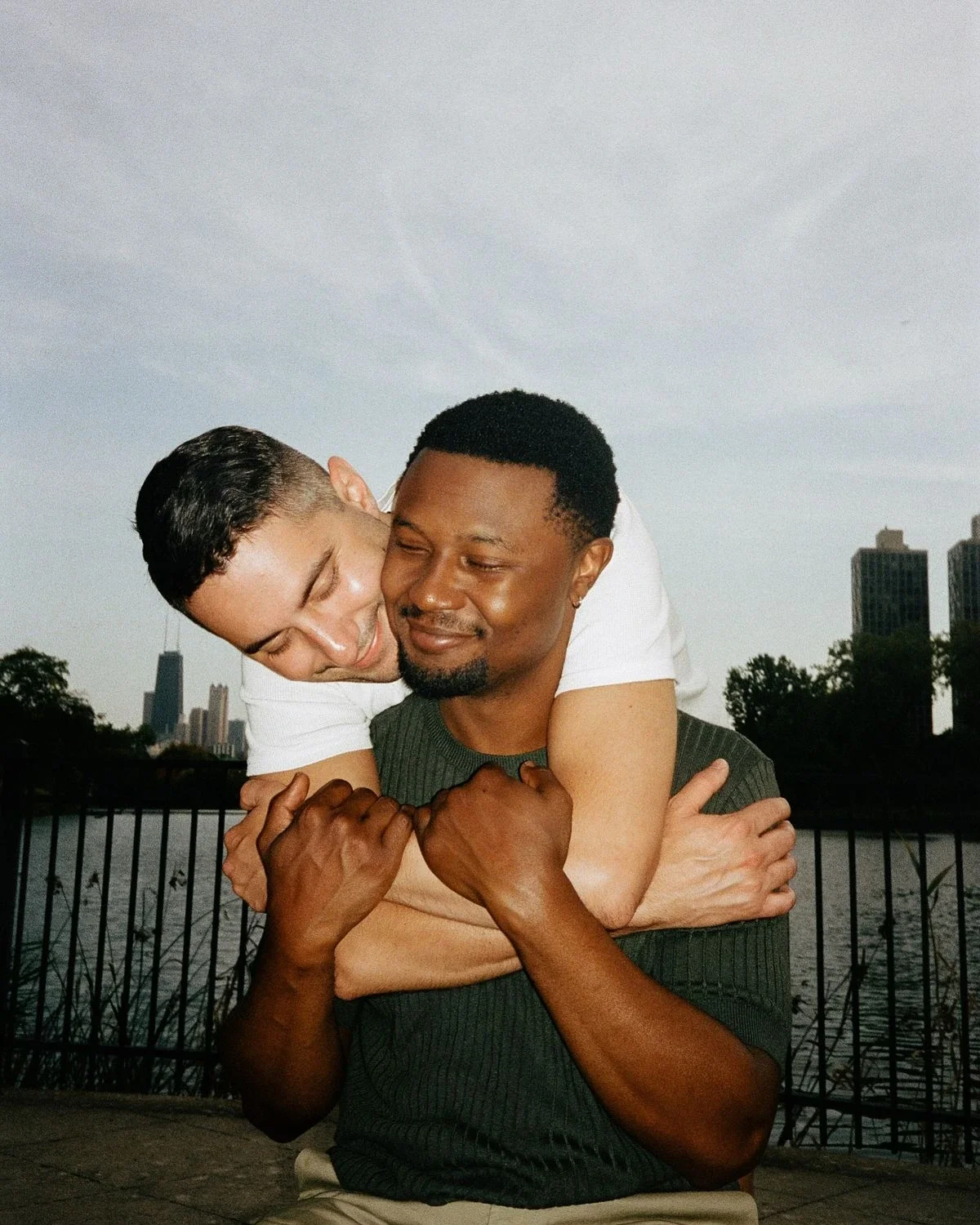
Things are going well with your partner. You're into them, you're present. And then something shifts and you get in your head. Maybe your arousal disappears. You’re trying to hide it. Maybe you go numb. Or you're suddenly watching yourself from across the room, performing the right sounds and the right movements while not feeling much. Maybe you lose your erection again.
You've tried breathing through it or not thinking about it. You've tried a drink beforehand, a different position, telling yourself to just relax. None of it works because none of it is addressing what's happening underneath: your nervous system is pulling the emergency brake on vulnerability, and it's faster than you are.
There's a part of you that learned sexual closeness requires protection. Maybe it learned that from something specific. Maybe it absorbed it from years of messages about how sex should look, who you should be during it, what your body is supposed to do on command. Either way, that anxiety has taken over your sex life.

Sexual anxiety is one of the most common concerns people bring to sex therapy.
And it often goes unnamed for years. It isn’t about desire or attraction. It’s about what happens when the mind shifts into evaluation mode during intimacy: monitoring, predicting, bracing. The autonomic nervous system registers sexual vulnerability the same way it registers any perceived threat, and it responds accordingly, shutting down arousal, numbing sensation, or pulling attention out of your body entirely.
It affects people across all genders, orientations, and relationship structures. People with vulvas experience it as loss of lubrication, numbness, or the inability to stay present during sex. People with penises experience it as difficulty with erection or ejaculation. Partners in both queer and straight relationships describe the same spiral: one anxious sexual experience leads to anticipatory dread, which leads to avoidance, which deepens the pattern. Sexual anxiety therapy, particularly in a city like New York, where high-performance pressure seeps into every part of life, is often most effective when it directly addresses the nervous system’s role, not just the thoughts attached to it.

What performance anxiety feels like
Erectile difficulties get all the airtime. But sexual anxiety is bigger than that. It's losing arousal the moment things shift from making out to sex. Going through the motions while mentally tracking whether your partner is enjoying it instead of noticing what you feel. Reaching orgasm only under very specific conditions, or not at all. Avoiding initiating because the whole thing has started to feel like something you're going to fail at.
It's performing enthusiasm you don't feel. Saying yes when your body is saying wait. Getting so focused on your partner's experience that you lose contact with your own. Or shutting down so completely that you dissociate, you're there physically but checked out from the neck down.

You're so busy tracking your partner's experience that you've lost contact with your own.
Most people with sexual performance anxiety are splitting their attention—one part trying to be present, another part watching, evaluating, grading. Am I aroused enough? Are they having a good time? Is my body doing what it's supposed to? That internal surveillance kills arousal faster than anything else.
So the question becomes: how much of your attention during sex is on your partner's experience of you versus your own experience of yourself?
How I can help
We start with a sexual wellness assessment to map what's driving the pattern. From there, we work with what your body is doing, not just what you think about it. Sexual anxiety therapy isn’t primarily about reframing negative thoughts or learning new techniques. It’s about helping your nervous system actually feel safe enough to stay present during sex. That means understanding what specific moments trigger the shift from presence to monitoring, and building the capacity to stay embodied when vulnerability shows up.
Working with a sex therapist in Brooklyn or New York City means you can get specialized support without having to justify why this matters or minimize what you’re experiencing. I work with individuals and couples across New York state via telehealth, and see the full range of what sexual anxiety looks like in practice, from people who have never discussed this with anyone, to those who’ve been in general therapy for years but never addressed their sex life directly.

WHERE YOU ARE NOW
Your attention during sex is split. One part of you is trying to be present. Another part is scanning, your partner's face, their breathing, whether they're into it, whether you're doing it right. You've lost contact with your own body because all your bandwidth is going to theirs.

In the first few sessions
WHERE WE'RE GOING
You learn to notice the moment your attention leaves your body and goes to your partner's experience of you. We slow that moment down. We get curious about the part of you doing the scanning, what it's protecting, what it learned. And we build your capacity to stay in your own sensation while staying connected to them.
That's differentiation. And it's the piece most sex therapy skips.

WHAT THAT LOOKS LIKE
How much of your attention during sex is on your partner versus your own body? When did you stop noticing what you feel and start tracking what they feel? What would it take to stay in sensation instead of going to your head, and to let your partner's response be theirs, not yours to manage?
Those are the questions we work with.
Ready to start?
A consultation is free, with no pressure. We'll talk about what's bringing you in and whether this approach feels right for you.
FAQs
-
Not necessarily. A lot of people work on sexual anxiety individually. If there's a relational dynamic feeding the pattern, we might bring your partner in for a few sessions.
-
You don't need a clear reason for your body to feel unsafe during intimacy. Sometimes it's years of cultural messages about how sex should look. Sometimes it's a pattern your nervous system built so gradually you never clocked the origin. We work with what your body is doing now, not just why it started.
-
Different entry point. Sexual trauma therapy works with what happened to you and how your body is still responding to it. Sexual anxiety therapy works with the self-monitoring, performance pressure, and arousal patterns that take you out of sex, whether or not there's a specific event behind it. If you're not sure which fits, we'll figure that out together in the consultation.
-
Most people are, at first. You don't need to walk in ready to describe your sex life in detail. We start where you are.
Sexual anxiety therapy in Brooklyn, NY I work with New York clients via secure telehealth, with in-person sessions coming soon. If you've been stuck in your head during sex and want a therapist who treats this specifically, let's talk.
Sexual anxiety therapy in Portland, OR Licensed in Oregon, seeing Portland-area clients virtually. If sexual anxiety has been quietly running your sex life and you haven't found a therapist who goes there directly, I'd love to connect.



You might also be navigating
Neurodivergent Sexuality — sensory processing and attention regulation challenges during sex
Sexual Trauma Recovery — when the anxiety started after something that happened to you
Mismatched Desire — when anxiety is creating distance between you and your partner
Sexual Pain — when bracing and anticipation have become physical